
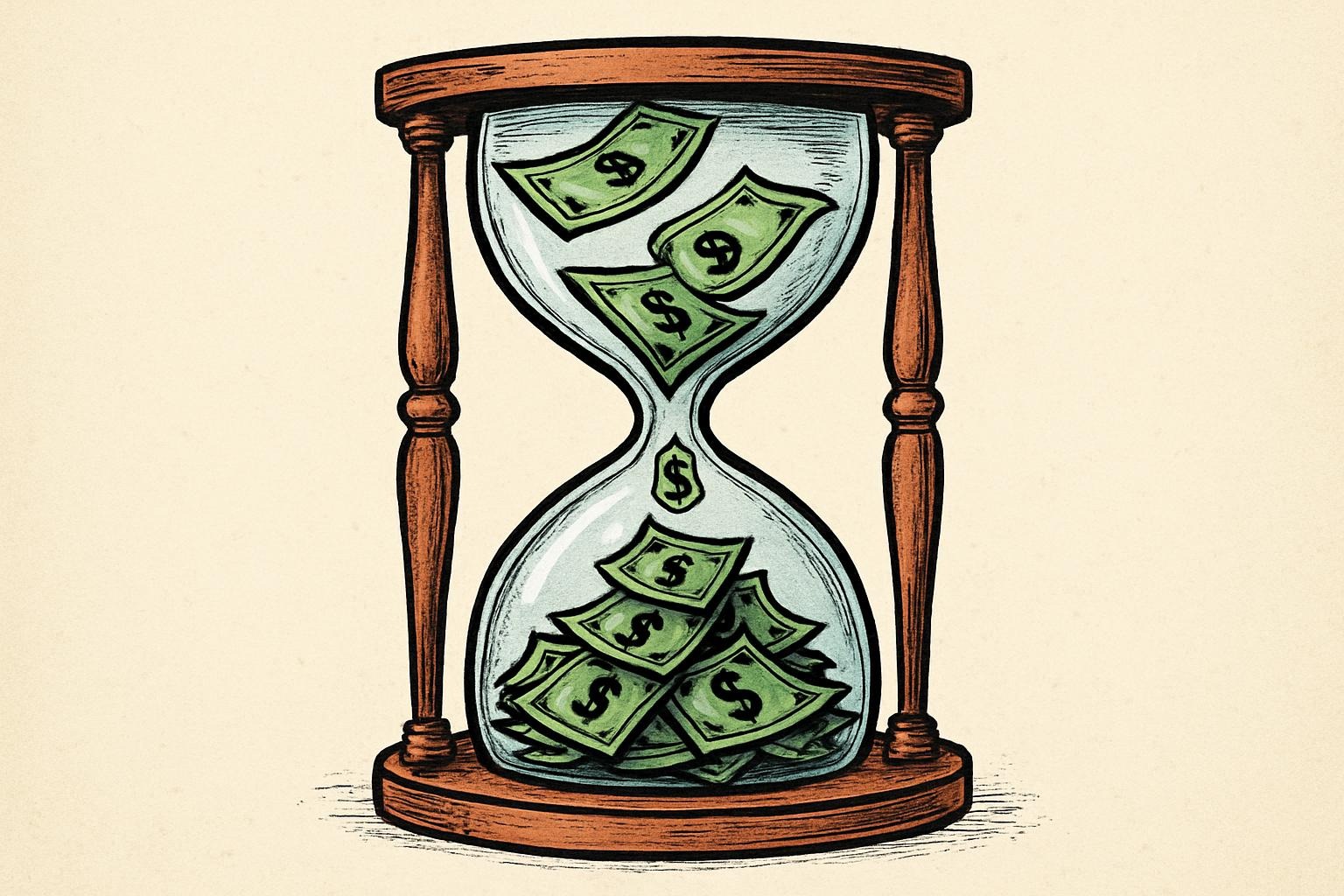
Every year, businesses lose funding they would have been eligible for — not because they were not a good fit, but because they found out about the opportunity after it closed.
This happens more often than most businesses realise. The UK publishes hundreds of open grant calls through Innovate UK, the Arts Council, local UKSPF programmes, Eurostars, NIHR, and others. Not all of them are widely publicised. Some close quickly. Some reopen with significant changes from the previous round. If you are not watching the landscape, you will miss things.
The cost is not just the grant
When a business misses a grant deadline, the direct cost is the funding opportunity itself. But the secondary costs are worth understanding too.
If a team discovered the scheme late and tried to rush a submission, they have spent management time on an application that was not ready. That time is gone regardless of the outcome. In some schemes with a Stage 1 and Stage 2 structure, a weak early submission can also affect how your project is received in future rounds.
Missing deadlines compounds over time. Competitive schemes run in cycles. If a business is not watching for when rounds open, it may miss one cycle and face a six to twelve month wait for the next one. That delay has real consequences for R&D timelines and cash flow.
Why businesses miss deadlines
The most common reason is that nobody is specifically responsible for tracking grant opportunities. Grant awareness tends to be informal — someone shares something on LinkedIn, or a business advisor mentions a scheme in passing. That is a poor system for something with real financial stakes.
The second reason is that tracking grant opportunities takes time that most teams do not have. Monitoring Innovate UK, UKSPF, sector-specific schemes, and European programmes is genuinely a lot to stay across without a structure for it.
A more reliable approach
The practical fix is to have a known source of curated opportunity information that matches your sector and stage, so you are not trawling through everything yourself. GrantPal sends three curated grant matches per month — relevant to your business type, stage, and location — free to sign up. That alone creates a regular check-in with what is open.
The second element is lead time. Opportunities spotted four to six weeks before the deadline are significantly more actionable than ones spotted four to six days before. The application process for competitive schemes takes real time. Planning ahead gives you that time.
If you already have a specific opportunity in view and want to know whether it is worth pursuing, a Grant Reality Check gives you a direct answer — including whether the timing works, whether your project fits, and what you would need to change to improve your chances.
Innovate UK publishes its upcoming funding competitions well in advance — worth bookmarking.
Tom Burke is the founder of GrantPal, a UK grant advisory service. He works with businesses across technology, manufacturing, and the creative industries to identify grant opportunities and improve application quality.